Leave a comment

NASA’s Alcohol Prohibition in Outer Space: Where No One Can Hear You Hurl

In the 1970s after successful missions to the moon, NASA was interested in the possibility of long term habitation in space. One of the biggest concerns was nutritious and ideally pleasant tasting food. In both the Gemini and Apollo missions, the food was dehydrated and rather unappetizing. After years of research they made considerable improvements: “the [space]station would include both a freezer and an oven and foods would be provided in five varieties—dehydrated, intermediate moisture, ‘wet-packed,’ frozen, and perishable…….Spaghetti, prime ribs, ice-cream, and—for a brief moment—alcohol were all on the menu.”

Apollo Era Food

Charles Bourland who was in charge of food development and packaging chose sherry as the best wine for space. It was chosen because sherry is a stable product having already been heated during processing therefore less likely to “undergo changes” when repackaged. The winner of the a Sherry taste test was a Paul Masson California Rare Creamy Sherry.

The packaging featured a “flexible plastic pouch with a built-in drinking tube, which could be cut off.” All the astronauts needed to do would be to squeeze the pouch.  Astronauts were capped at four ounces of wine every four days. Unfortunately, no wine ever made it to space for two main reasons. Firstly, it was brought on a low gravity plane nicknamed the “Vomit Comet” designed to test weightlessness. “As it turned out, the odors released by the wine, combined with the residual smell of years-worth of people getting sick on the plane, had an unplanned effect on the crew. Many grabbed for their barf bags.” And when surveyed, only about half the crew was interested in having it on-board. Secondly, when Skylab 4 Commandar Gerry Car described alcohol on the menu at a lecture, NASA receives complaints from all over the country.

Of course, the Russians have a different policy. Cognac is sent with them to space because it “stimulates the immune system.” In 2011, a study showed that hypothetically wine with high levels of resveratrol might helped fight bone density loss when in space. Unfortunately neither cognac or sherry are high in that compound.

Article Source: Gizmodo.com “Why Astronauts Were Banned From Drinking Wine in Outer Space”

9 Comments

Nuggle Chocolate (Product of Trinidad and Tobago)

Nuggle

Nuggle

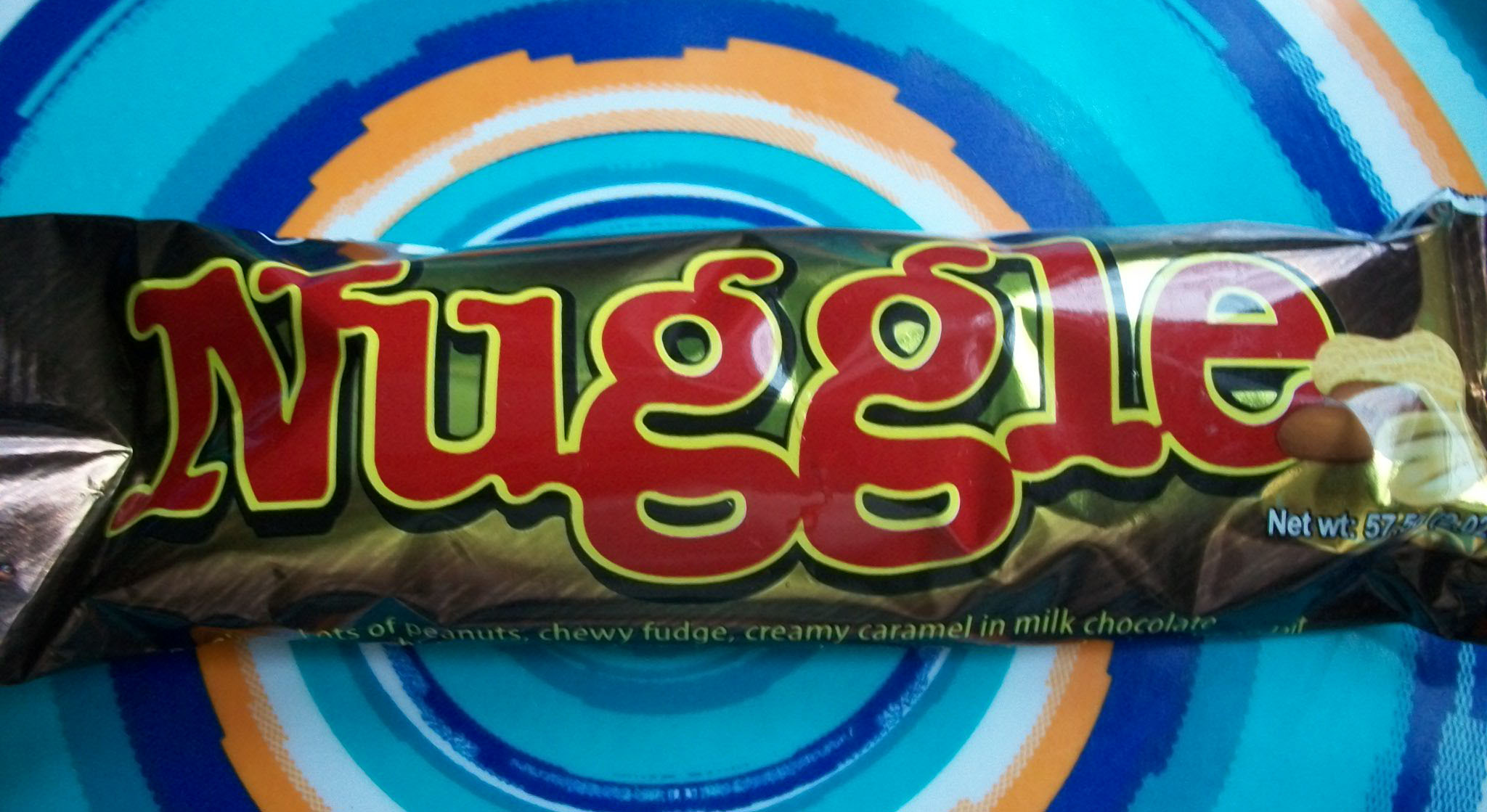
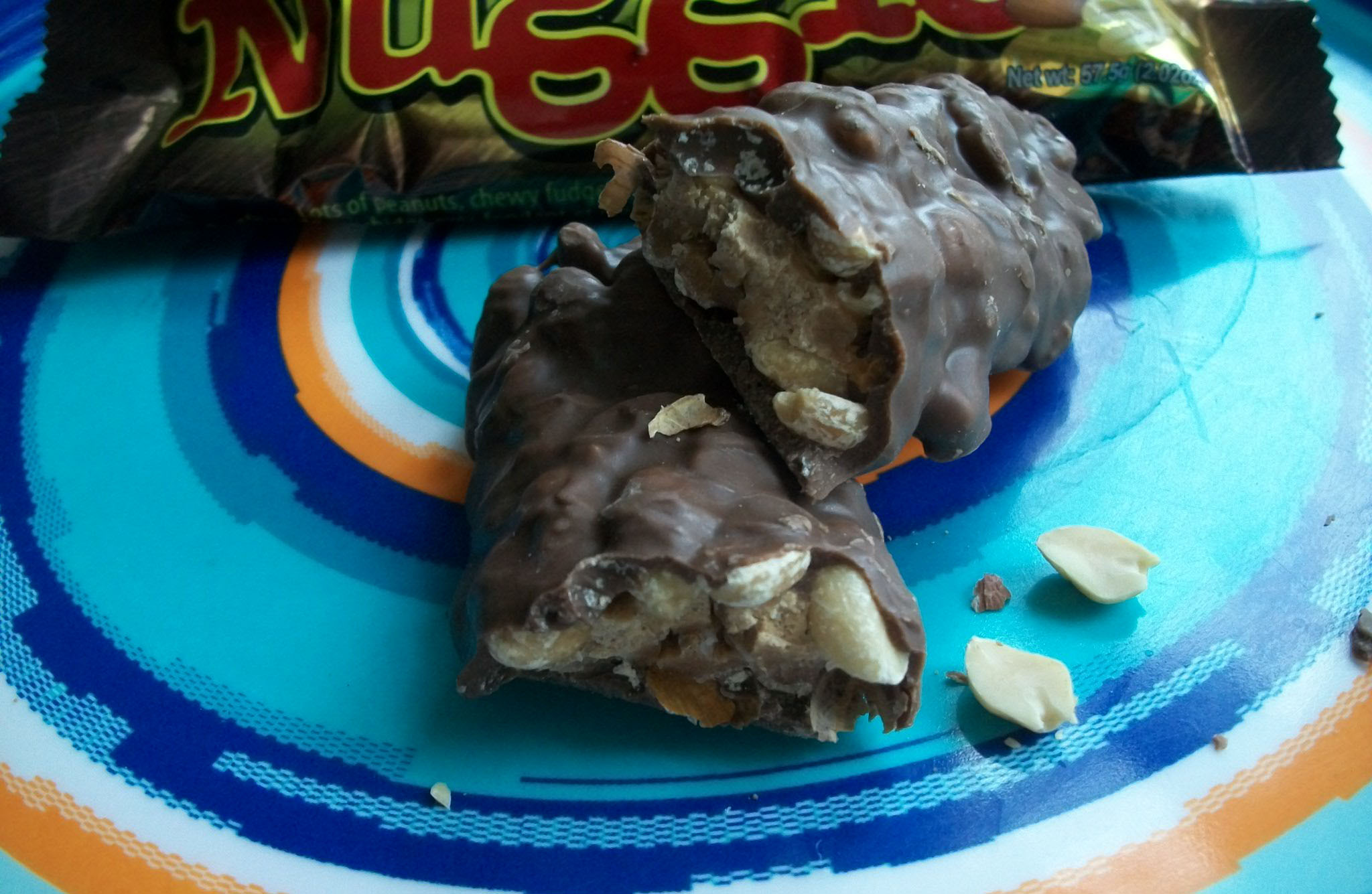
The Nuggle bar is kind of like the Trinidad and Tobago version of the Baby Ruth bar. It has peanuts, caramel, fudge and chocolate. These things sound good on paper but the end result isn’t as tasty as expected. One the positive side it’s packed with peanuts. On the negative side, the caramel and fudge are very dry. So rather than creamy, it’s crumbly and a bit hard to chew. The chocolate is okay but somewhat muddy tasting.

This is another product from Charles Candy. I previously wrote about Tiki Gold. The corporate website doesn’t indicate what a nuggle is. According to Urban Dictionary, it’s the act of snuggling with a loved one. Sadly, this candy rather than making me want to hug someone makes me reach for the mouthwash instead.

Nuggle

Nuggle

2 Comments

Chapati Movement: Never Trust Unleavened Bread

Source: Wikipedia

A chapati is a type of whole wheat unleavened bread popular in Northern India, Pakistan and Bangladesh. Nothing could be more simple. During the British Raj however, the coarse bread became the source of speculation and concern. In the year 1857, tension was building against the British owned East India Company. The company, responsible for much of the trade originating in India was heavy-handed in annexing land, taxes and spreading Christianity. Additionally, there were factors such as favoring certain castes or religions over others. The final straw was “….reached when the soldiers were asked to bite off the paper cartridges for their rifles which were greased with animal fat, namely beef and pork. This was, and is, against the religious beliefs of Hindus and Muslims, respectively.”

Source: Forteana.org

In February of that year a strange thing began to occur. Thousands of chapatis were passed from one person to another, village to village, throughout India.

One of the first officials to encounter it was Mark Thornhill, magistrate in the little Indian town of Mathura, near Agra. Thornhill came into his office one morning to find four “dirty little cakes of the coarsest flour, about the size and thickness of a biscuit” lying on his desk. He was informed that they had been brought in by one of his Indian police officers, who had received them from a puzzled village chowkidar (watchman). And where had the chowkidar got them? “A man had come out of the jungle with them, and given them to the watchman with instructions to make four like them and to take these to the watchman in the next village, who was to be told to do the same.”

When intercepted, they contained no messages inside. They had no known religious significance.  “Extensive inquiries into the meaning of the breads produced plenty of theories but few facts; even the runners and watchmen who baked them and carried them from village to village “did not know why they had to run through the night with chupatties in their turbans,” though they took them just the same.”

The British were right to be fearful because the chapatis traveled faster than regular post, so if it was a message it would’ve been difficult to stop. The press speculated that “the movement” was a signal that something revolutionary may be happening. Conclusive evidence was never found however.  But if a stranger on the street hands you some chapatis, keep it moving just in case.

Article Source: Smithsonian Blog

2 Comments

Chicken Curry and a Bit of History

Chicken Curry

Chicken Curry

The label “curry” is often used to describe dishes from the Indian subcontinent. The word may be derived from the Tamil kari which means sauce according to Slate.com. Unsure of how to describe the dishes they encountered, British traders in the 17th century referred to all savory dishes as curry.

A curry, as the Brits defined it, might be a mélange of onion, ginger, turmeric, garlic, pepper, chilies, coriander, cumin, and other spices cooked with shellfish, meat, or vegetables.

As far back as 4,000 years ago a “proto-curry” was eaten using ginger, garlic and turmeric. It was due to trade that ingredients like tomatoes, onions, cloves, and cinnamon were introduced to make the dish we know today. Archaeologists Arunima Kashyap and Steve Weber believe curry is possibly the “oldest continuously cooked cuisine in the world.”

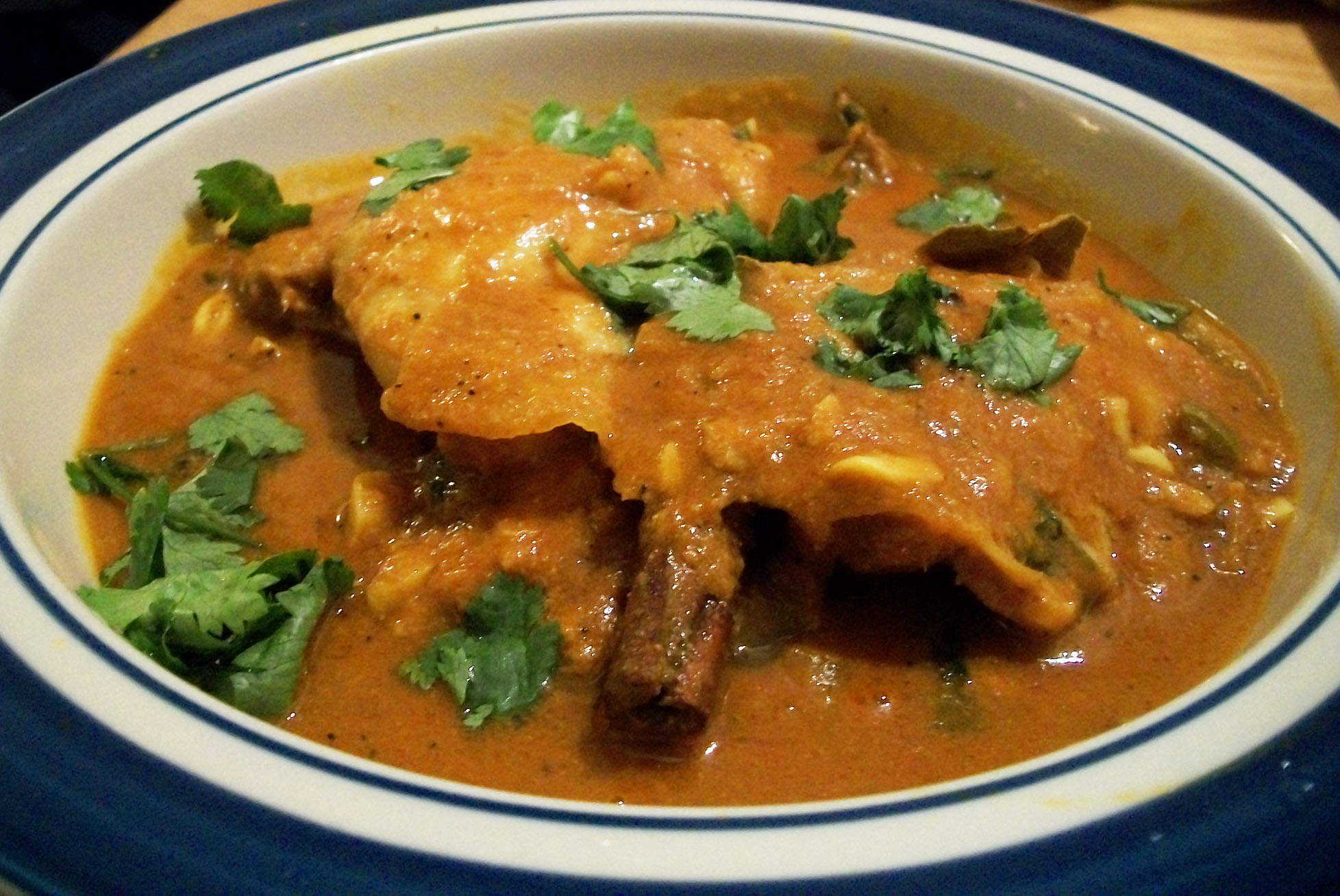
This version of chicken curry incorporates coconut milk to provide a creamy contrast with the mildly spicy sauce. Many recipes include garam masala, a common spice mix featuring whole cardamom, cloves, cumin seeds, cinnamon and other variations. By pan roasting the first five items on the masala list we’re creating our own.

Since fresh tomatoes here on the U.S east coast aren’t great in the winter, tomato paste works as a substitute. Feel free to ratchet up the spices based on your own taste. The marinade isn’t mandatory but it helps to deepen the flavor.

Servings: 4
Prep Time: 3 hours (with marinade)
Cook Time: ~20 minutes
Marinade:
1 pd chicken thighs or legs
4 oz cream of coconut (or skim the thick cream from the top of a coconut milk can)
1 T garlic paste
1 T ginger paste
1 pinch of salt

Spices/Masala Ingredients:
3 cloves
3 cardamom
2 bay leaves
1 cinnamon stick
1 t cumin seeds
½ onion, chopped
1 T ginger paste
2 oz tomato paste
1 t turmeric
1 t paprika powder
1 T coriander powder
chili powder
healthy dusting of black pepper
2 T butter
Cilantro as garnish (optional)

Method:
In a wok or a pot add in onions, bay leaves, cloves, cardamom, cinnamon stick, and if desired, chopped hot chillies. Turn heat to medium low and allow to cook for about 5 minutes, stirring occasionally. Once the onions begin to wilt add in cumin seeds and ginger paste. When cumin sputters after a minute add in chicken pieces. Cook for a few minutes on each side till the chicken is cooked on the outside. Next, include a cup and a half of water, and all remaining ingredients except the butter and cilantro. Mix in well and cover for about 20 minutes, stirring occasionally. Taste and adjust seasoning as necessary. When the chicken is cooked add in the butter and cilantro. Serve hot with rice.

6 Comments

RoodonFood: 2nd Anniversary

Rood_logo
Dear RoodonFooders,

The blog just celebrated its 2nd anniversary. Thank you very much for stopping by. And if you’re a regular visitor, thank you for the continued support. Over this period it has grown from a snack focused site to including recipes, articles and interviews. Hopefully it will continue to grow. Inexplicably, one of the most popular posts is from that one time I got the stomach flu during my birthday 2 years ago. Perhaps it was too many barbeques but in June of last year, people were really interested in that post.

Below are a few favorite and/or popular recipes over the last two years.

Cassava Couscous (Gluten Free, Vegan)

Cassava Couscous AKA Attieke

Horse Gram Dal Recipe Kollu Paruppu (Gluten Free, Vegan)

Horse Gram Dal

Indian Turnip Recipe AKA Shalgam (Gluten Free, Vegan)

Shalgam – Indian Turnips

Massaman Curry (Gluten Free, Vegan)

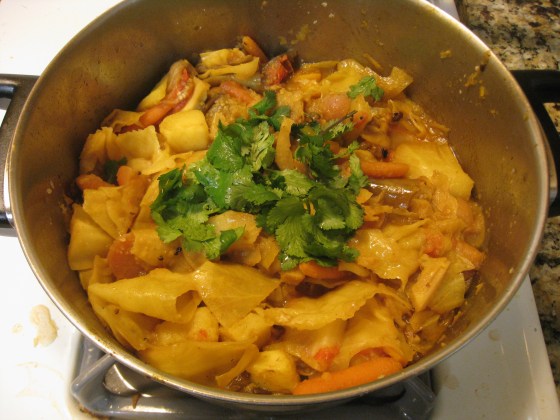
Labra, a Bengali Mixed Veg Dish (Gluten Free, Vegan)

Labra

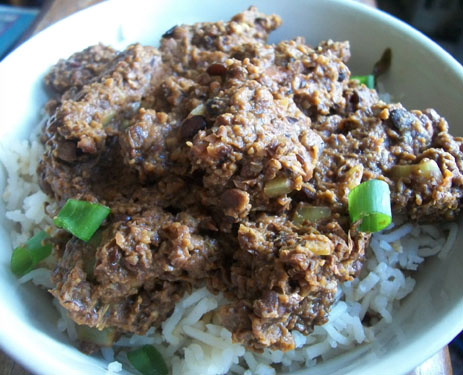
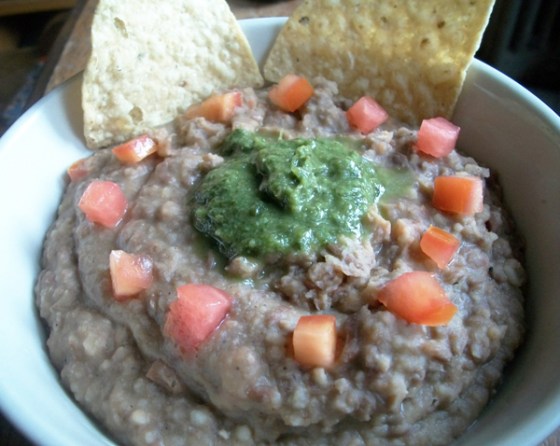
Indian Style Nachos: Rajmaa RoodonFood Style

Indian Nachos: Rajmaa

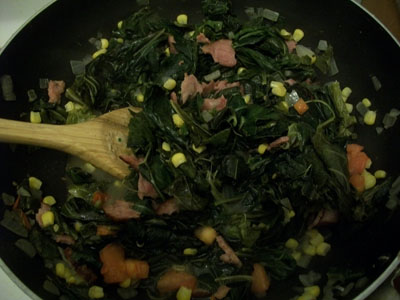
Collard Greens

Collard Greens

4 Comments

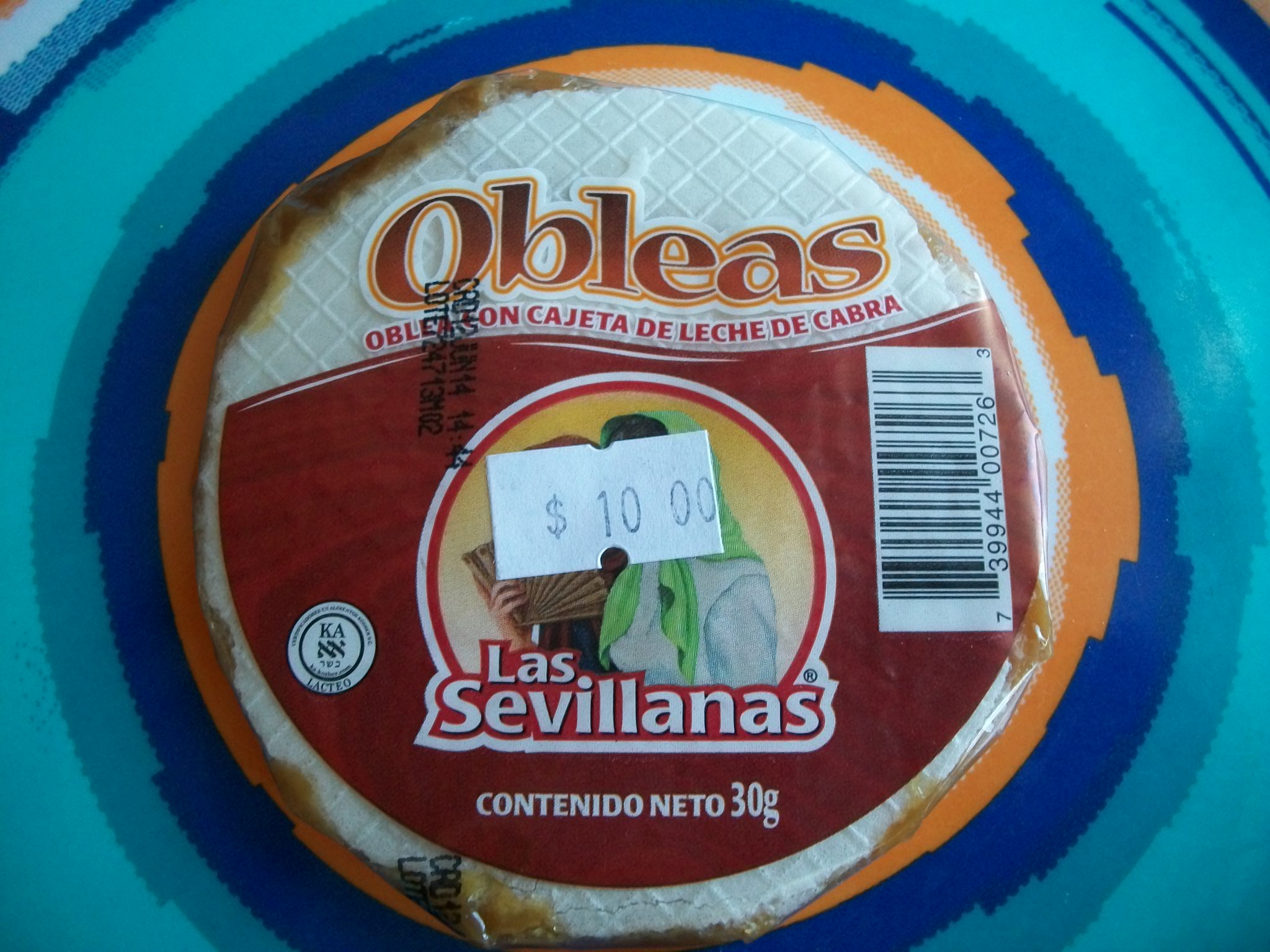
Sweet Saturday: Las Sevillanas Oblea Con Cajeta De Leche De Cabra, 30g Review

Obleas

Obleas

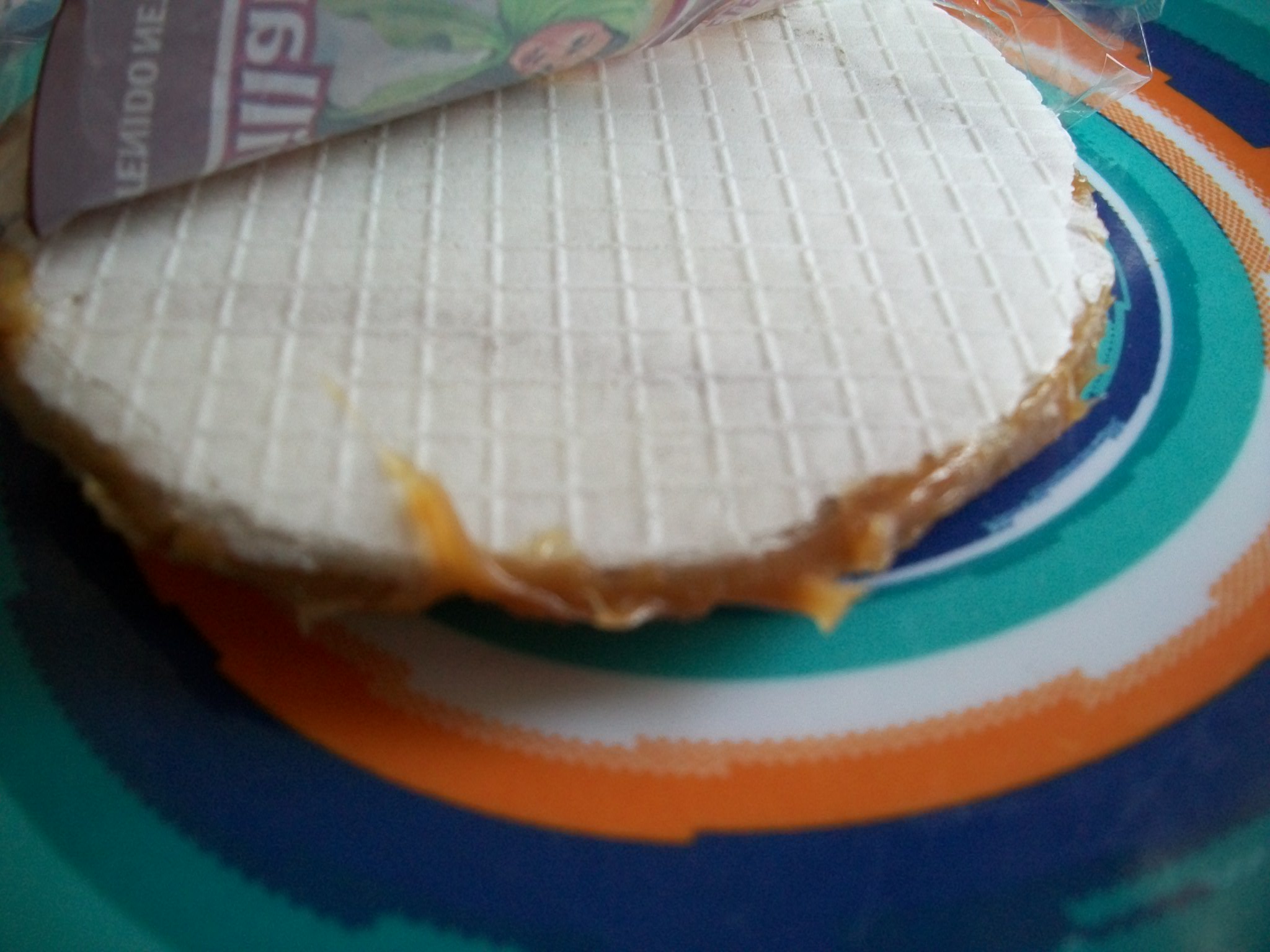
This Mexican candy needs a little bit of translation. An oblea is a dessert featuring two thin circular wafers with fillings in between like dulce de leche, jam or even cheese. In addition to Mexico, they’re popular in El Salvador, Ecuador, Colombia, and Venezula. Cajeta is a caramelized condensed milk. In this case, de cabra or goat. So the full name translates to a wafer dessert with a goat’s milk caramel filling.

The wafers are ultra-thin and are relatively neutral tasting. They provide a texture contrast but not much else. The cajeta is very, very rich tasting. It’s like a caramel on steroids. It’s quite sweet. In fact, after a bite I was sweeted out. If the label didn’t indicate it, I’d have no idea that it was goat’s milk because it doesn’t taste much different than caramel derived from cow’s milk.

Cajeta

Cajeta

I wouldn’t buy this candy again. This candy would mostly appeal to folks with a crazy sweet tooth or kids. This was purchased in the Cancun airport for 10 pesos or around $1. Side note: The company name Las Sevillanas is named after a type of folk dance native to the Seville part of Spain. This candy didn’t make me want to dance however. Have you tried this or similar candy before?

4 Comments

Valentine’s Day Plans = Making a Nice Meal at Home

Whether you’re single or have a special someone, I hope you have a great Valentine’s day. Years ago, my honey and I stopped doing fancy dinners out in favor of cooking a nice meal together. We’ve had some hits (pasta in vodka sauce) and some misses (beet risotto) but experiencing it together is fun. Even if the meal doesn’t turn out as expected, there’s always dessert and wine.

This year we’re going to make a vegetarian biryani (I’ll post this recipe if successful, early next week), along with chocolate pots de crème from Clean Green Simple. What are your Valentine’s plans? Do you have certain food traditions or are you checking out a restaurant in your area?

Leave a comment

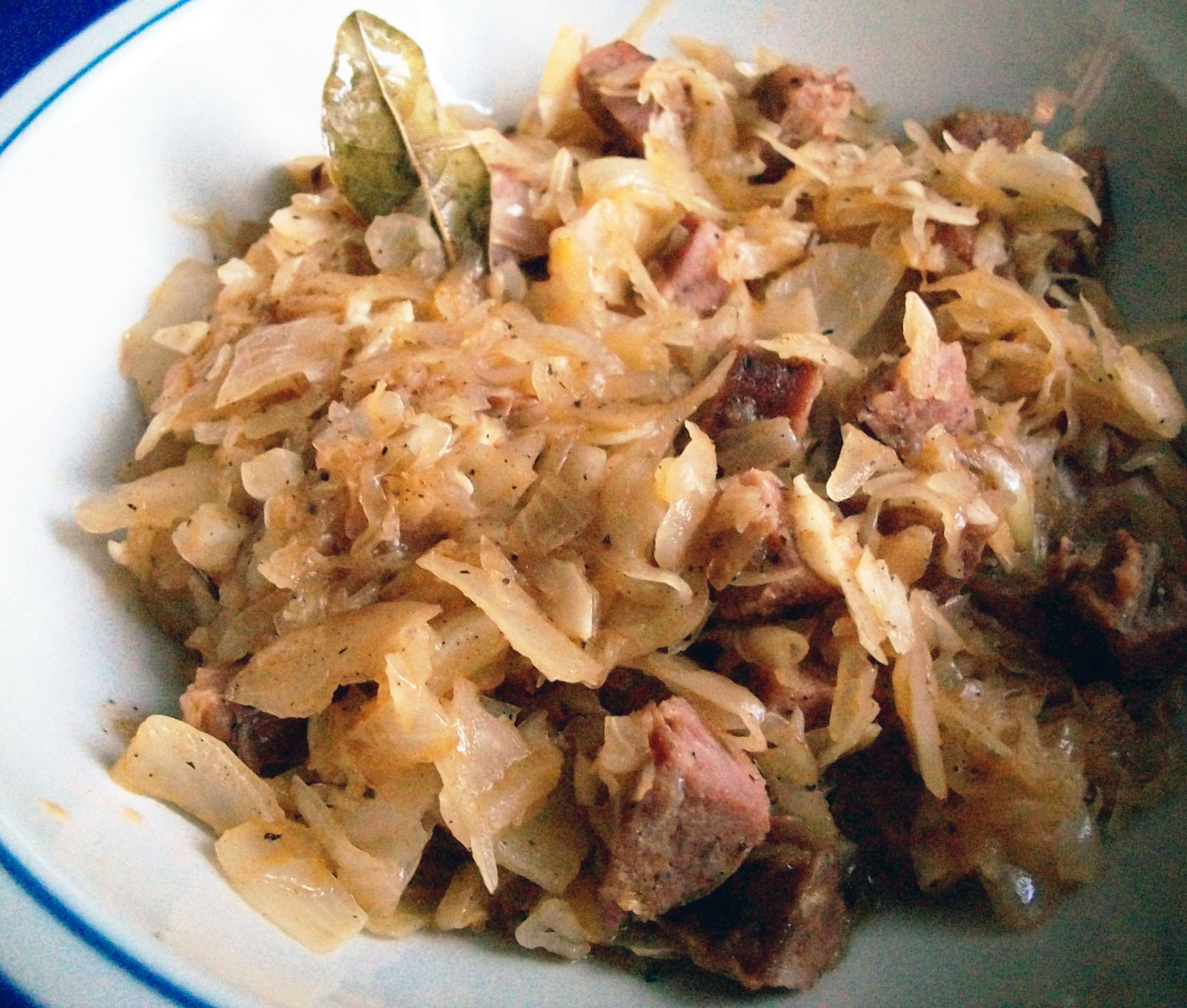
Bigos Recipe AKA Hunter’s Stew

Bigos

Bigos

The first time I had bigos, it was at a great little diner in the East Village called Little Poland who served it with potato dumplings in mushroom sauce. It was one of those amazing meals where you feel like you could either build a house afterward or take a carb-induced nap. In a future post I’ll post up a home-made version of those potato dumplings. Appropriately, bigos is considered a winter food.

Bigos, also known as Hunter’s Stew is a one pot meal consisting of kielbasy, sauerkraut, tomato paste, and variations including mushrooms, cabbage, carrots, wine, beer and seasonings. I like-a-da-spice so the Roodonfood version has a little jalapeno and cayenne pepper. According to wikipedia it’s most often eaten with mashed potatoes or rye bread. Note that in this batch kryana kielbasy made with pork and beef was used on recommendation from the nice Polish deli person at Eagle Provisions who was surprised I’d heard of bigos.

Servings: 4
Prep Time: 10 minutes
Cook Time: 30 minutes
Ingredients:
1 pd kielbasy (Kryana, Swojska are two that work well)
½ onion, chopped
6 cloves of garlic
1 T paprika
1 T caraway seeds
1 t cayenne pepper
½ jalapeno, chopped
4-5 bay leaves
2 oz tomato paste
Lots of pepper

Method:
In a deep pot or dutch oven add some oil and turn pan to medium. Add in garlic cloves, onions, jalapeno, bay leaves and kielbasy. Allow to cook for 5-7 minutes while the onions begin to wilt. Now add in remaining ingredients and about a cup of water to thin out. Mix in well. Cook on low for about 30 minutes. Serve hot with mashed potatoes, rye bread or baked potatoes.

4 Comments

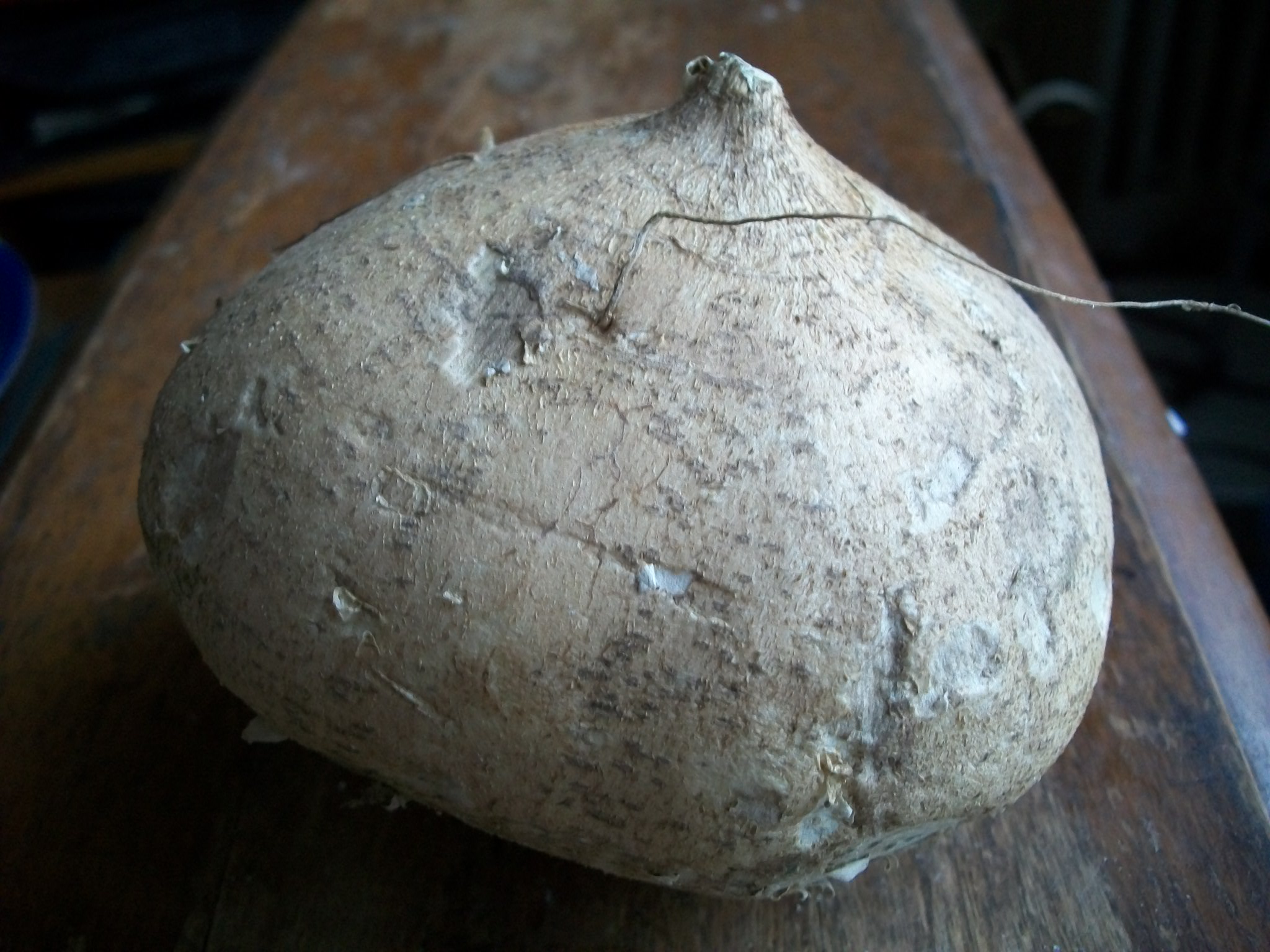
How to Eat Jicama and an Indian Connection

Jicama

Jicama

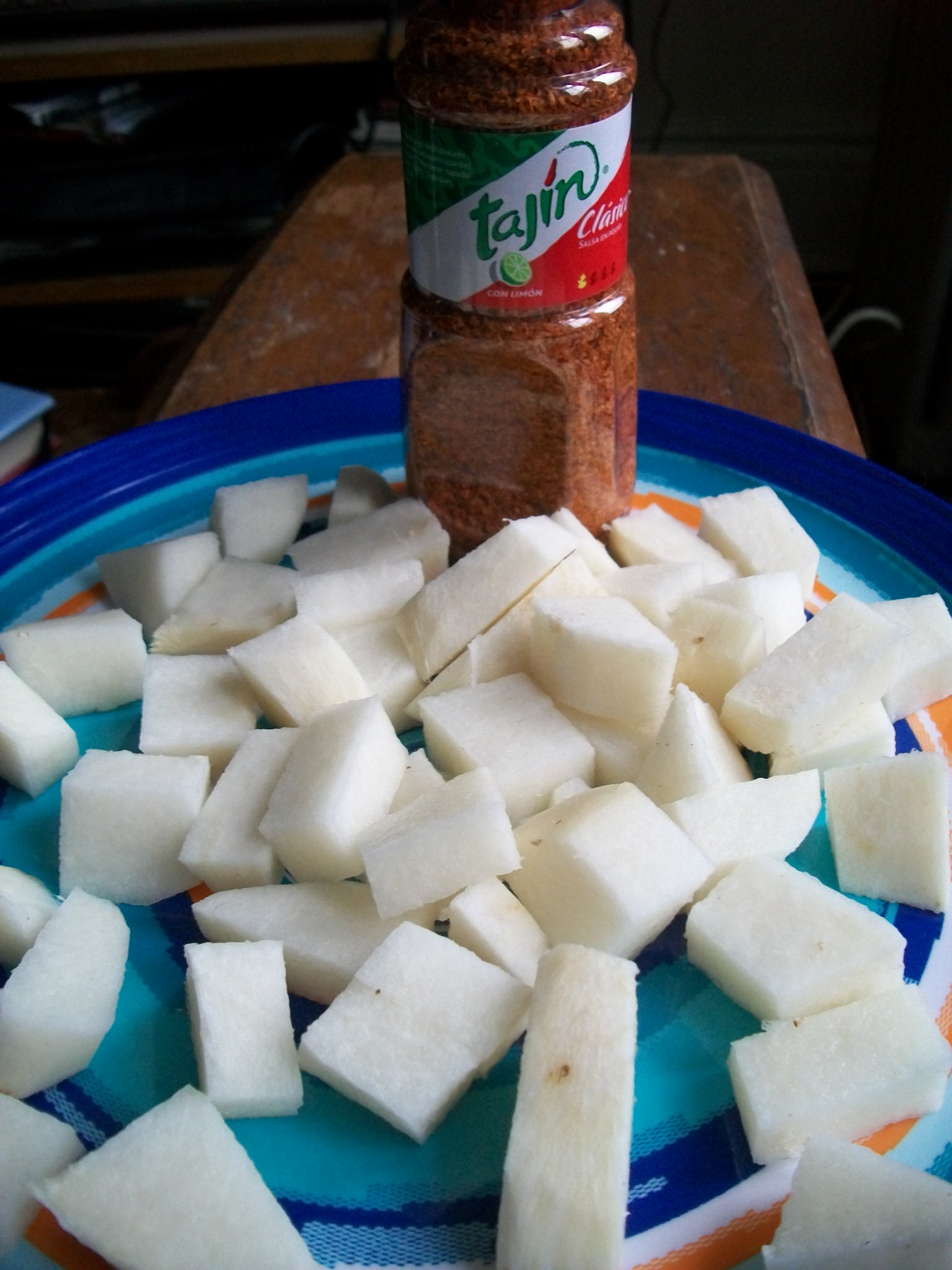
Jicama is a root vegetable native to Mexico. It’s high in Vitamin B6, C, iron as well as dietary fiber. Shaped somewhat like a conch shell or less creatively, a giant brown radish, it has a thin skin which gives way to white flesh inside. It has a grainy, mildly sweet taste but with the crunch of a radish. The flavor profile is somewhere between a less sweet Asian pear and mung bean sprouts. It is often used to add crunch to salad. It’s excellent raw with some lime juice, chili pepper and salt. Here are some other ways to prepare it via HuffPo.

Jicama with Chili

Jicama with Chili

I always enjoy introducing my parents to new foods. Sometimes it’s to help shake up their routine, other times it’s out of necessity like when the doctor recommended my father go gluten free. While at a salad bar in Mexico I picked up several pieces of jicama for them to try. After a moment’s pause my Dad said “We grew up eating this. We call it shankalu.” Shank means conch because of jicama’s shape. And aloo means potato (though some call the tuber the Mexican yam). It was a nice feeling to know that this root vegetable that my parents snacked on as kids was available regularly at my local grocery store.

The Indian Connection

Jicama is almost exclusive to eastern India. There has been some speculation as to why that is. According to the Economic Times, “K.V.Peter’s useful handbook Tuber Crops notes that yam bean grows easily in most tropical climates, though a preference for cool, but frost-free nights, is probably what limits it from extreme south and north ends of the country, and to being a winter crop.”

During colonial times, imperial powers spread crops and plants in a period that was called the Columbian Exchange:

The Portuguese spread chillies via their Indian colonies like Goa, while the British probably introduced potatoes and tomatoes. But Mexico was Spanish, the one power with no colony in India , the nearest they came was the Philippines. “It makes sense that shankalu would come to eastern India since it is closer to the Philippines,” she says.

The Spanish influence, or lack of it, could also suggest why jicama never spread much across India – there was no one to promote it, as the British did with potatoes and tomatoes. Crops also seem to have spread if they answered a need – KT Achaya’s theory is that chillies were taken up rapidly because they were cheaper, easier to grow and more reliably flavoured than the other options for heating spices at that time, like pepper and long pepper (pipali). But while jicama is really nice, it is perhaps not distinctive enough. Source: Economic Times

Have you tried jicama? How do you like to prepare it?

Leave a comment

Moderating Daily Sugar Intake

After reading this article from the Salt, you may want to put down that donut. According to a study in JAMA Internal Medicine, Americans who got a quarter of their calories from sugar are “twice as likely to die from heart disease as those who limited their sugar intake to 7 percent of their total calories.” In a 2,000 calorie diet, these sugar fiends are consuming about 31 teaspoons.

On average, Americans consume 22 grams of sugar per day. This doesn’t refer to naturally occurring sugar in things like fruit and milk but rather, added sugar mostly in packaged goods like yogurts and cereals. The American Heart Association recommends no more than 6 teaspoons (100 calories) for women and 9 teaspoons (150 calories) per day for men in added sugar.

In order to reduce sugar intake the article suggests cutting out sodas and being mindful of nutrition labels. From a personal standpoint I had a doctor recommend Greek yogurts over regular because they have less sugar (and more protein). Additionally, to make a bigger impact in your blood sugar, he said “you have to sweat” meaning doing 45 minutes of cardio on most days.

How do you keep your sugar intake under control?